Hello Fall
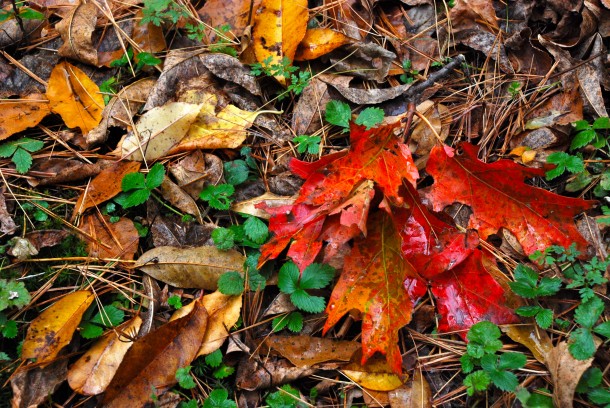
Summer has nearly ended–sigh–but with the loss of that season comes fall, my favorite time of year. First comes the rush of back-to-school excitement. Although I am no longer a student, it still lingers: the sweet smell of new, red leather tie-up shoes, a shopping trip for jumpers, and the nervous anticipation of seeing old friends from school.
Then comes the nippier air, bluer skies, and orange-crimson leaves floating in rivers and black ponds. The light has become sharper and more golden, casting an enchanting sunset glow over the grass in my back yard. Like the Japanese, I feel there is melancholy beauty in the slow demise of nature, the essence of fall. The event is noble, graceful, and serene. The colors and mood transition from alive to rest–green to yellow, yellow to burnt sienna and then back to earth.
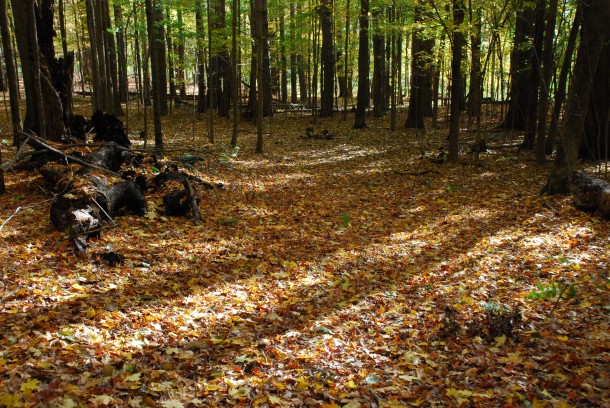
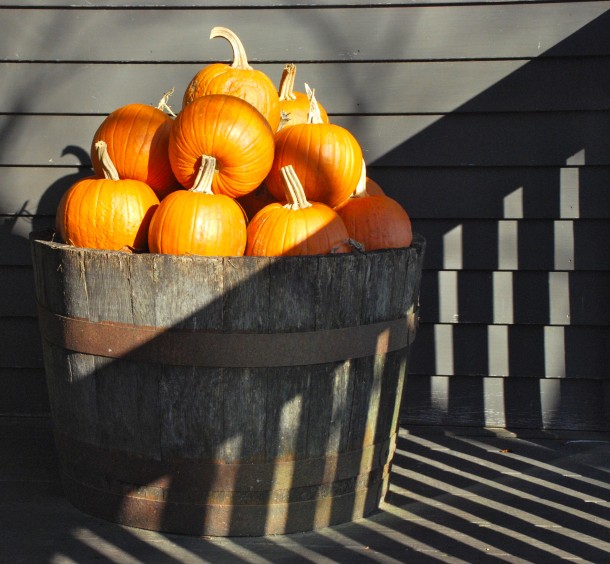
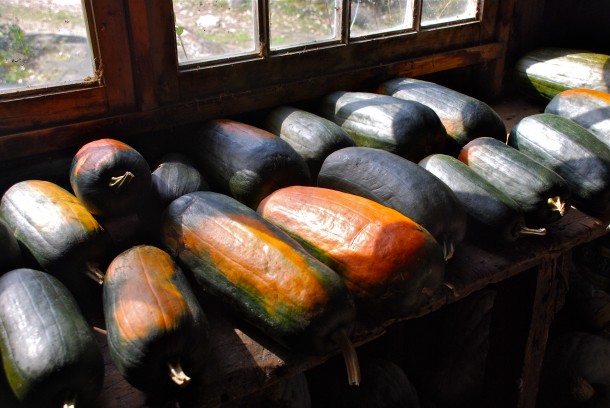
A blooming occurs, too–apples, pumpkins, mushrooms, and fall flowers. The animal and human world become busy in preparation of the cold, gathering acorns, making preserves, and hunkering down in the darkening as afternoons shift to night.
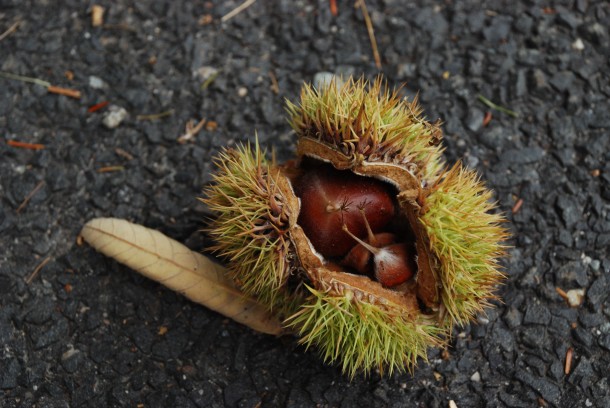
Time to swaddle myself in sweaters, sleep under the covers, and cook cozy suppers. Fall could seem like a sad season, but I choose to see it as an exquisite external slowing down mingled with an inner vitality.
The Peak of Alpine Luxury
On Point
Roughing it Rockefeller-style in Saranac Lake, N.Y.
VICTORIA ABBOTT RICCARDI

Photo Credit: Kindra Clineff
|
You could drive the nearly six hours to the Point, a swank resort in Saranac Lake, N.Y. But you might as well fly. Cape Air offers an easy hour-and-a-half flight from Logan to Adirondack Regional Airport, with bird’s eye views included.
A driver from the Point will greet you, and 20 minutes later you’ll be sipping Pommery Champagne in the lodge’s foyer. It’s an elegant prelude of what’s to come, particularly in winter when soft powder blankets the land in a cozy white hush providing the perfect backdrop for outdoor adventures, crackling fires and lush dinners eaten with a view of the woods.
Gilded Age barons like the Vanderbilts, Astors and Guggenheims liked to construct log estates along the lakes of upper New York state to serve as bucolic respites from the smog and confines of urban life. William Avery Rockefeller built the Point a century ago on 75 secluded acres to serve as his family’s “Great Camp.” Today, it’s a place to celebrate a marriage, a big anniversary or to simply rough it, Rockefeller-style.
Spread among the compound’s original four log cabins are 11 guestrooms, each with water views and rustic, elegant furnishings—chunky stone fireplaces, oversized armchairs, dark-wood walls adorned with 19th-century oil paintings and heavy fabrics smoothed over handmade beds. All meals and beverages are included, including wine and spirits from four open bars. The point staff seems to anticipate every whim, whether it’s laundering wet ski socks or simply showing up with another cold martini.
In the tradition of the Great Camps, everyone at the Point dines together, although arrangements can be made for private in-room breakfasts, dinners and picnic lunches elsewhere on the property. Most guests order a pot of coffee or tea to savor in their room before joining the group for breakfast in the Main Lodge, which also houses the kitchen, Great Hall and four guestrooms. Beyond breakfast, diners can order whatever they wish, whether it’s a croissant and espresso or a stack of raspberry pancakes, scrambled eggs and bacon. After thumbing through the newspaper, working on a puzzle or going for a walk, it’s time for lunch, which is always a barbecue on Saturdays. But we’re not talking weenies and burgers. This spread could be from a Fellini movie—a chef and multiple staff manning a fire-lit outdoor grill (weather permitting) holding a bevy of ceramic pots heaped with seasonal fare, like chunky beef chili, fried chicken, maple Brussels sprouts, truffle mac ’n’ cheese and Cajun-spiced shrimp. Nearby, cutting boards are loaded with juicy cuts of steak, pork tenderloin, grilled chicken breasts and sizzling sausages like wild boar and spicy pork. There are grilled vegetables, salads and baskets of focaccia or crisp onion rings. Just as you’re contemplating a nap, the staff comes marching up the hill bearing warm bread pudding, peanut butter cheesecake and chocolate-raspberry meringue tort.
Clearly, exercise is a needed antidote to executive chef Mark Levy’s cooking. Since Saranac Lake is considered the coldest spot in the mainland U.S., it’ll likely be frozen solid and groomed for an afternoon game of curling. While heaving leaden stones across ice may not be everyone’s idea of a good time, there’s nothing like a glass of Scotch or rum-spiked cider to jack up the fun factor. If you want to snowshoe, the Point’s warming hut has multiple sizes of men’s and women’s boots for snowshoes or cross-country skis. Try them around Fish Creek Pond, a short drive from the resort. Halfway around the snowy track, just when you’re ready to call it a day, you’ll spy a picnic basket set on a wooden table filled with hot spiced cider and creamy hot chocolate. Revived, you either forge on or head home to relax before dinner.
When a card is slipped under your door noting where to meet for cocktails, it’s hard not to feel you’re a guest at a grand house party. The requested dress for dinner is coat and tie for men, except Saturday and Wednesday, which, in the spirit of Great Camp dining, are black tie. After cocktails, everyone heads to the Great Hall for dinner, a multicourse extravaganza. Various wines accompany chef Levy’s French-style plates, which feature local produce, fish and game, along with treats like caviar and foie gras. Should some intrepid soul suggest a post-prandial visit to the bonfire, don’t miss out. After tromping up the hill, you’ll be rewarded with a warm blanket and a fireside spot in a circle of Adirondack chairs. Before you know it, the staff will arrive with truffled popcorn and an offer of drinks from the nearby bar. And, as you sit under the stars, listening to the snap of the fire, conversation of dinner mates and wind through the trees, you realize that it truly doesn’t get any better than this.
Traveler’s Checks
– For a romantic lunch, reserve Camp David, a small cabin where you can enjoy a gourmet picnic, wine and hot drinks.
– Don’t miss the gift boutique and gallery, offering crafts, jewelry and oddities like carved wooden pens.
The Point
Saranac Lake, N.Y. | 800-255-3530 | thepointresort.com
Hello,
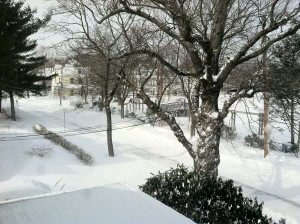
We’re smothered in a snowy, whipped cream world with gusting winds, huge drifts, and silence. It’s the perfect time to stay inside and savor meaty books, like Catherine The Great (Robert K. Massie),

drink rich hot chocolate,

and cook lusty meals, like the the Spaghetti with Bok Choy and Gooey Egg featured in the recent cooking with bok choy piece I wrote for Vegetarian Times. Yes, bok choy is an Asian vegetable, but you can enjoy it much as you would Swiss Chard and spinach, since the stems have a similar juicy sweetness to Swiss Chard and the leaves have a tender spinach-like flavor.
Wolfeboro, New Hampshire–Mitt Romney Land
Hello,
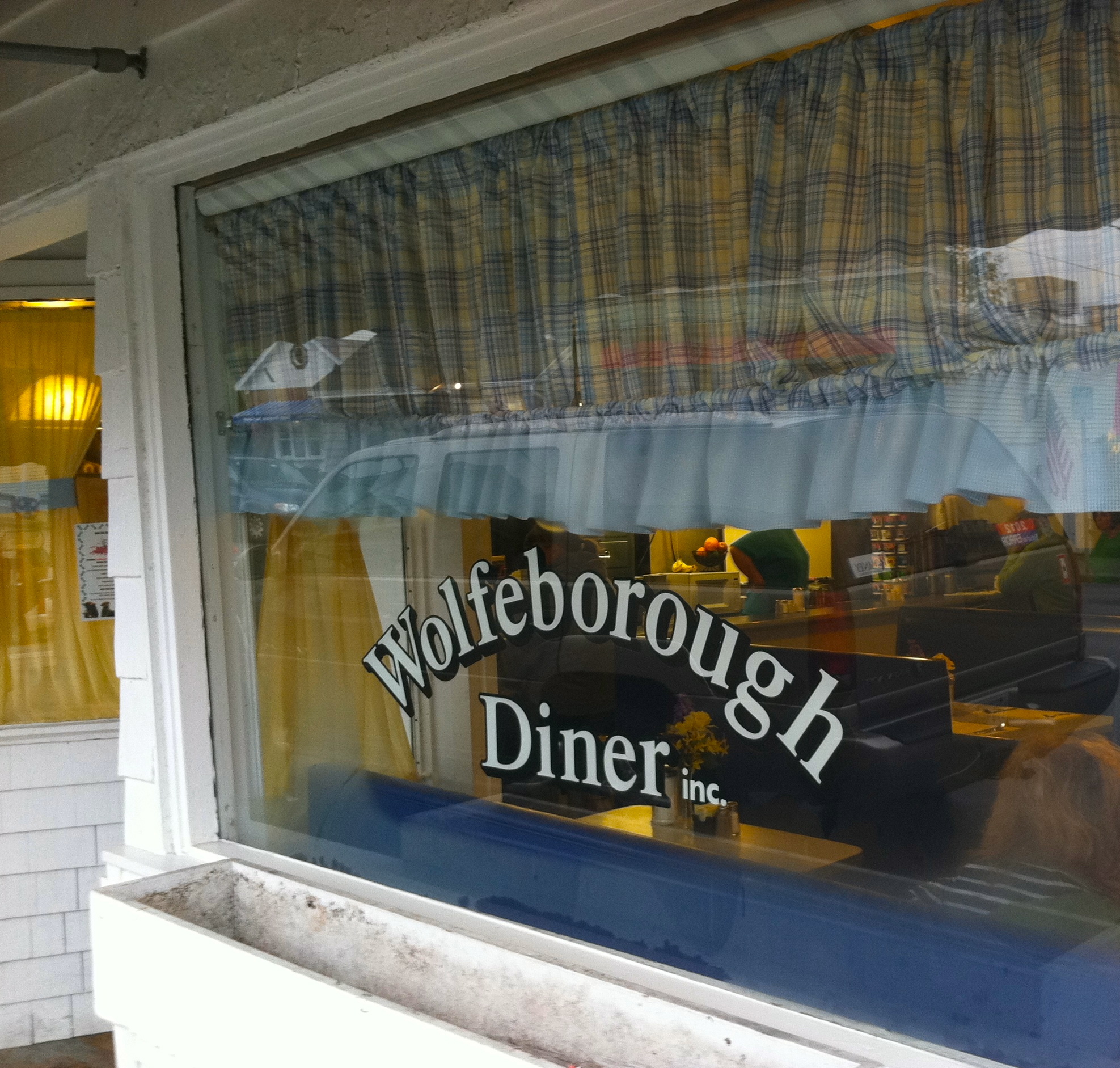
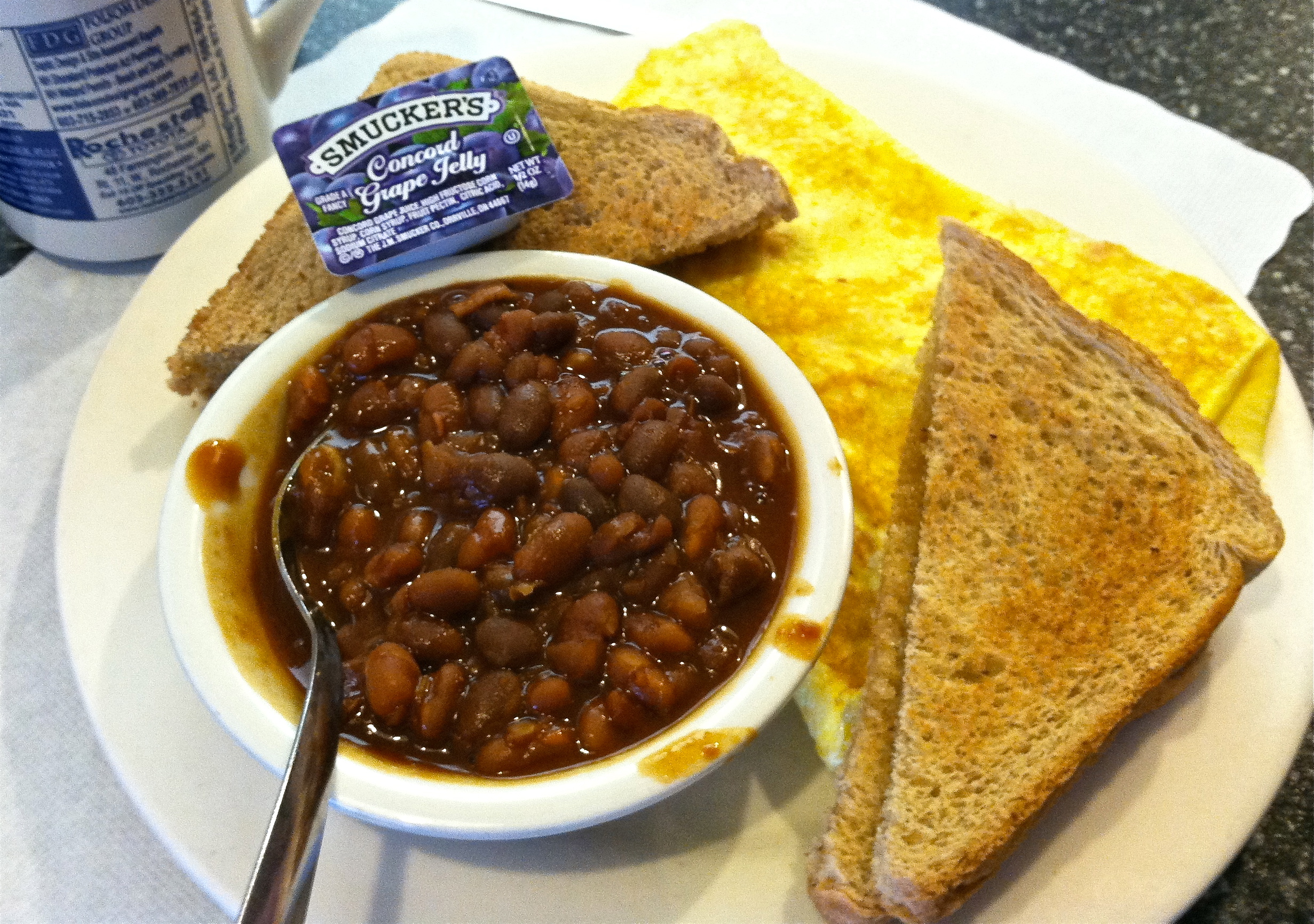
I just wrote this story for The Improper Bostonian on Wolfeboro, New Hampshire, which overlooks Lake Winnipesaukee, where Mitt Romney has a home. Aside from its New England charm, this hopping summer resort town has lots of cute shops, great antiquing, and some neat little restaurants, including The Wolfeboro Diner, the kind of place you hope to find when traveling. With a handful of booths and spinning stools at a Formica counter, it serves fluffy pancakes, omelets, baked beans, and soups and sandwiches at lunch. In the summer, the lines snake out the door. Off-season, come on in and grab a stool…
The Escape Artist
Trad About You
The historic charm of Lake Winnipesaukee’s Wolfeboro Inn
VICTORIA ABBOTT RICCARDI
 |
Overlooking Lake Winnipesaukee, the largest lake in New Hampshire, the town of Wolfeboro claims to be “America’s Oldest Summer Resort.” One of its oldest lodgings is the Wolfeboro Inn, which, while it draws big crowds during the warmer months, turns out to be best visited during the fall. Not only can you savor the gorgeous foliage, but also the quieter, more serene side of the lodge and town.
Flaming red, orange and yellow maples provide a mesmerizing view for your drive up to the town named after General James Wolfe, commander of the British expedition that defeated the French in the Battle of the Plains of Abraham in 1759, leading to the British rule of Canada. Shortly after arriving in the heart of downtown Wolfeboro, you’ll see the welcoming glow from the inn, a white clapboard structure originally built in 1812 for the Rogers family. Subsequent owners and renovations have brought it to its current state, a modern country-style resort with traditional New England décor, including a stuffed moose head in the tavern.
Room choices include modern suites with lake view balconies and amenities like wi-fi. Furnishings have a comfy, rustic feel with oversized armchairs, exposed wood beams, and drapes and bedding in earthy tones of chestnut, straw and sky blue. To play up the inn’s woodsy feel, the lamps have antler bases, the nightstands boast a pinecone motif, and the brown plaid shower curtains are festooned with fir trees and moose. The downstairs lobby sports tree stump tables and a massive stone fireplace.
For dining, the casual Wolfe’s Tavern has earned accolades for its Sunday brunch. In addition to an omelet station, you’ll find a bounty of carved meats, specialty entrées, soups, salads and desserts like the warm, bittersweet-chocolate croissant bread pudding with fresh raspberry sauce and whipped cream. The tavern has the added distinction of being one of the Lakes Region’s only authentic New England-style pubs—it’s been serving local fare since the early 1800s, and the kitchen still prides itself on meats, seafood, produce and cheeses sourced from the surrounding area, showcased in creations like the New Hampshire wild mushroom and eggplant tart made with local fungi and goat cheese. Families will find plenty of options, including the inevitable pizzas.
The bar, on the other hand, draws an eclectic mix of young couples and locals. Frequent visitors can become a member of the Mug Club. By generously donating your time to tasting all 100 beers that the tavern serves, you receive an inscribed Wolfe’s Tavern pewter mug to hang from the ceiling. (There are 2,200+ proud members.) Alternately (or in addition to), you can be indoctrinated into the Martini Club after consuming 50 martinis and kissing the aforementioned moose head, netting you a customized stainless steel martini glass. Both clubs offer a dollar discount off every beer or martini ordered thereafter for life.
One of the pleasures of staying at the Wolfeboro Inn is its location. Only steps away from downtown, it’s an easy stroll to visit the shops and eateries, such as the diminutive Lydia’s Café for tasty coffee drinks and homemade muffins. Don’t miss Hampshire Pewter, which carries a huge selection of tree ornaments as well as items for the home. If vintage is more your style, try Dragonflies Antiques & Decorating Center, set in a magnificent yellow barn with thousands of items, ranging from old typewriters to Fiesta tableware.
In warmer weather, Lake Winnipesaukee provides all sorts of boating options, including canoeing and kayaking off the inn’s private beach. The area also has plenty of hiking and walking paths like the Cotton Valley Rail-Trail, a scenic six-mile railroad corridor that winds through woods and fields and past three lakes. For kids, DeVyders Farm offers hay rides, apple-picking and cider-making, while Moulton Farm in nearby Meredith, N.H., has corn mazes, a petting zoo, fresh produce, baked goods (including cider donuts) and a pick-your-own pumpkin patch to find that perfect orange orb for Halloween.
The Wolfeboro Inn
90 North Main St., Wolfeboro | 800-451-2389 | wolfeboroinn.com
Lydia’s Café 33
North Main St., Wolfeboro | 603-569-3991| lydiascafewolfeboro.com
Hampshire Pewter
9 Railroad Ave., Wolfeboro | 603-569-4944 | hampshirepewter.com
Dragonflies Antiques & Decorating Center
116 South Main St., Wolfeboro | 603-569-0000 | dragonfliesantiques.com
DeVyders Farm
563 Pleasant Valley Road, Wolfeboro | 603-569-4110
Moulton Farm
18 Quarry Road, Meredith | 603-279-3915 | moultonfarm.com
Escape to Monaco
Hello,
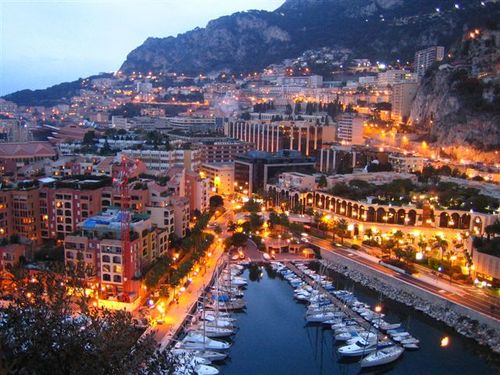
Here is my latest story on Romantic Monaco (p. 265-278) from WeddingStyle magazine. Enjoy the bouillabaisse recipe below!
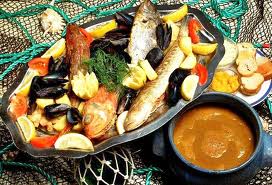
Bouillabaisse (Adapted from The French Chef Cookbook, by Julia Child, Knopf, 1968) Serves 6-8 Fish for bouillabaisse should be lean, and of the best and freshest-smelling quality. Here are some suggestions: bass, cod, conger or sea eel, cusk, flounder, grouper, grunt, haddock, hake or whiting, halibut, perch, pollock, rockfish or sculpin, snapper, spot, sea trout or weakfish, wolffish. Shellfish—crab, lobster, mussels, clams, scallops.
1/2 cup of olive oil
1 cup sliced yellow onions
1 cup sliced leeks, white part only
3 cups chopped fresh tomatoes, or 1¼ cups drained canned tomatoes
4 cloves mashed garlic
2½ quarts water
6 parsley sprigs
1 bay leaf
½ tsp thyme or basil
1/8 tsp fennel
2 big pinches of saffron
A 2-inch piece or ½ tsp dried orange peel
1/8 tsp pepper
1 quart fish stock or clam juice and 1½ quarts of water
6 to 8 lbs. assorted lean fish, and shellfish (see above)
6 slices sliced baguette
1/3 cup roughly chopped fresh parsley
1. In a large soup pot, heat the oil over medium heat. Add the onions and leeks and saute 5 minutes without browning.
2. Stir in the tomatoes and garlic, and cook 5 minutes more. Add the water, herbs, seasoning, and clam juice to the pot. Bring the soup base to boil, skim, and simmer uncovered, 30 to 40 minutes.
3. Strain soup and adjust seasoning.
4. Just before serving, add lobsters, crabs, and firm-fleshed fish. Bring quickly back to the boil and boil rapidly, uncovered, for 5 minutes. Then add the tender-fleshed fish, and the clams, mussels, and scallops. Bring back to the boil again for 5 minutes. Do not overcook.
5. To serve, immediately lift out the fish and arrange on the platter. Carefully taste soup for seasoning, place bread in a soup tureen, and pour in the soup. Spoon a ladleful of soup over the fish, and sprinkle parsley over both fish and soup. At the table, each guest is served or helps himself to both fish and soup, placing them in a large soup plate.
Your Edible Pharmacy
Hello!
Here are the Latest Super Fruits & Roots to consider popping into your shopping cart on your next trip to market. They are from my latest article in VIV magazine.

Why Visit Pittsburgh Now!
Here is my latest story from The Improper Bostonian!
The Escape Artist
It’s a Steel
From art to food, Pittsburgh proves its mettle.
VICTORIA ABBOTT RICCARDI

Photo Credit: Tony Clark
|
A trip to the rust belt may not be first on your wish list for weekend getaways, but there are plenty of reasons to pay a visit. Over the years, Pittsburgh, the city formed by Carnegie Steel, has seen massive growth in education, health care, technology and financial services that have boosted the economy since the industry collapsed in the 1980s. The place has more bridges than Venice (think biking, running and river walks), a surfeit of art (more than 250 museums, galleries and theaters) and amazing food (beyond French-fry stuffed sandwiches). Indeed, the “City of Steel” sports a tantalizing shine.
Base yourself at the Fairmont Pittsburgh, located in the hubbub of downtown known as the “golden triangle.” The hotel’s plush rooms sport flat-screen TVs, media panels for all your gadgets and floor-to-ceiling windows overlooking either Downtown or the Allegheny River. There’s also a top-notch restaurant, Habitat, which is focused, naturally, on local produce. And, like its Boston counterpart, the hotel even has a dog in the lobby who can join you on a run (her name is Edie).
Pittsburgh is a city with highly unusual topography, possessing three rivers and an in-city mountain. To get your bearings, take a morning ride up the Duquesne Incline in a funicular dating back to 1877. The tram follows the tracks of what used to be a coal hoist up Mount Washington and leads to an observation deck 400 feet above the Allegheny, Monongahela and Ohio rivers. Notice the butter-yellow bridges and the riverfront buildings along Fort Pitt Boulevard, built after the Great Fire of 1845. A triangle of skyscrapers includes the “Glass Palace,” a spired complex of glass towers designed by architect Philip Johnson.
Next, check out Pittsburgh’s art scene, arguably one of the finest in the country thanks, in part, to steel magnate and philanthropist Andrew Carnegie, whose largess spawned the Carnegie Museum of Natural History, Carnegie Science Center and the Andy Warhol Museum, an impressive shrine to the Pittsburgh native’s life and art. The Carnegie Museum of Art, considered the first museum of modern art in the country, is now exhibiting a show of contemporary crafts, but will debut Inventing the Modern World: Decorative Arts at the World’s Fairs, 1851–1939 on Oct. 13.
Ketchup aficionados won’t want to miss the Senator John Heinz History Center, a standout museum that devotes a whole section to the condiment. Other options for kids and adults include an exhibit on robots, Mr. Rogers’ Neighborhood (set in Pittsburgh) and the city’s glassmaking traditions. For more offbeat art, head to the Mattress Factory. Sept. 7 marks the opening of Feminism and… which showcases women artists’ take on the subject.
As a food town, Pittsburgh shows off its immigrant history (drawing from Italian, Polish and German influence, to name a few), and from food trucks to fancy restaurants, you won’t go hungry. For sheer fun, head to the Strip District, once the center of Pittsburgh’s 19th-century iron industry and now home to myriad wholesale and retail produce stalls, ethnic markets, restaurants and coffee shops. The famous Primanti Bros. serves their Italian bread sandwich stuffed with tomatoes, coleslaw, your deli meat of choice and, yes, French fries. The Church Brew Works offers divine suds and grub in a historic church, with the steel and copper beer tanks set on the altar. Some of the city’s best pierogi come from Pierogies Plus. They make their dumplings from scratch and fill them with everything from spuds to apricots.
For dinner, don’t miss Meat & Potatoes in the Theater District. It’s a carnivore’s paradise—mac ’n’ cheese with chorizo and a “Salty Pig” flatbread with sopressata, pancetta and coppa secca—but the menu also offers soft shell crab tacos and Korean BBQ salmon. Later, savor a nightcap and live entertainment at Backstage Bar, which serves creative cocktails, wines by the glass and casual nibbles. More daring, perhaps, is Papa J’s Centro, a supposedly haunted ex-brothel, where you can nurse a “Naughty School Girl” (raspberry and blueberry vodkas, pomegranate liqueur, cranberry juice and ginger ale) in one of the many cozy little rooms.
Given all this, it’s obvious that the city of steel shows spark.
TRAVELER’S CHECKS
•JetBlue offers daily, direct flights to
Pittsburgh.
•The Duquesne Incline opens at 5:30 am,
so you can catch the sunrise from on high.
Fairmont Pittsburgh | 510 Market St., Pittsburgh | (412-773-8800) | fairmont.com
The Duquesne Incline | 1197 West Carson St., Pittsburgh | (412-381-1665) | duquesneincline.org
Andy Warhol Museum | 117 Sandusky St., Pittsburgh | (412-237-8300) | warhol.org
Senator John Heinz History Center | 1212 Smallman St., Pittsburgh | (412-454-6000) | heinzhistorycenter.org
The Mattress Factory | 500 Sampsonia Way, Pittsburgh | mattress.org
Primanti Bros. | multiple locations | primantibros.com
The Church Brew Works | 3525 Liberty Ave. Pittsburgh | (412-688-8200) | churchbrew.com
Pierogies Plus | 342 Island Ave., Pittsburgh | (412-331-2224) | pierogiesplus.com
Meat & Potatoes | 649 Penn Ave., Pittsburgh | (412-325-7007) | meatandpotatoespgh.com
Backstage Bar at Theater Square | 655 Penn Ave., Pittsburgh | (412-325-6769) | trustarts.org
Papa J’s Centro | 212 Blvd. of the Allies, Pittsburgh | (412-391-7272) | papajs.com
Hello Salt Lake City!
Here is my July 2012 story in The Improper Bostonian
Desert Flower: Salt Lake City is an oasis of culture and cuisine.
BY VICTORIA ABBOTT RICCARDI
 |
Thanks to an influx of energetic, forward-thinking hipsters, Utah’s Salt Lake City—famous for hosting the 2002 Winter Olympics and headquartering the Mormon religion—has become a magnet for visitors looking for outdoor fun in a stunning natural setting. Funky neighborhoods, fine dining and charming watering holes liven up the scene, which in the warmer months hums with a different, but equally vibrant, excitement than during ski season.
A convenient base is the Grand America Hotel, a Five Diamond retreat only 10 minutes from Salt Lake City International Airport yet within easy walking distance to many of the big attractions. Reminiscent of an inflated Italian villa, the hotel sports landscaped parterre gardens, a secluded outdoor pool, fitness center and plush rooms with English wool carpets, Italian marble bathrooms and views overlooking the Wasatch and Oquirrh mountain ranges. On premise are several outstanding shops, including an enchanting toy store and a Parisian pastry shop filled with scrumptious fruit tarts, macarons and tortes.
To jump start your relaxation, begin your escape in the hotel’s Grand Spa for a hot stone massage, or find liquid relief in the Lobby Lounge with a taste of local High West whiskey (yes, there are distilleries in Mormon country). You can savor an elegant dinner at the hotel’s Garden Café, but options abound.
Like many cities, Utah’s capital has hopped on the locavore bandwagon, now exhibited in spots like Pago, Forage Restaurant and the Farm at Canyons. Executive chef Nathan Powers, a culinary transplant from Bambara Restaurant & Bar in Cambridge, now runs Bambara Restaurant in Salt Lake City, an edgy, modern American bistro awash in black and white and housed in the former lobby of the 1924 Continental Bank. In addition to an inspired corn bisque with Jonah crab, he prepares full-throttle meat dishes, like bacon-wrapped pork tenderloin and balsamic-glazed pork ribs with seared escarole, cheddar chili grits and garlic chimichurri. Another happening place is the downtown Squatters Pubs & Beers, where you’ll find more varieties of house-crafted ales, lagers and stouts than you can safely guzzle. Order a tasting flight to get a feel for your favorites, then round it out with refined pub fare like an ahi tuna spring roll salad.
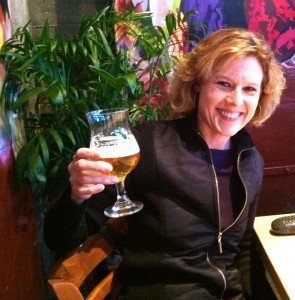
Cheers!
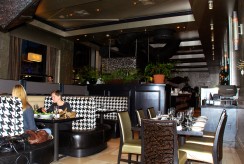
Bambara Restaurant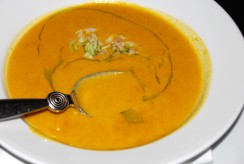 Signature Corn Soup with Jonah Crab
During the day, hit the verdant slopes at Snowbird or Solitude Mountain Resort for summer concerts, wildflower festivals and more energetic diversions like horseback riding, mountain biking and disc golf. The Deer Valley Music Festival runs through Aug. 11 at the Snow Park Outdoor Amphitheater, featuring the Utah Symphony joined by artists like Earth Wind & Fire on Aug. 4 and Pink Martini on Aug. 11.
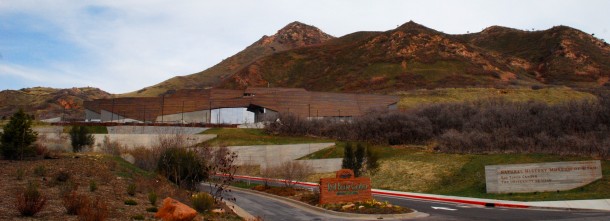
New Natural History Museum of Utah
For those looking to add more cerebral stops to their itinerary, visit the new Natural History Museum of Utah, a sleek, copper-clad building whose golden-red shimmer melts into the backdrop of the nearby hills. Highlights of the collection include the native nations of Utah exhibit and a jaw-dropping collection of dinosaurs reconstructed from real bones. Also worth visiting is the Leonardo in Library Square, a science, tech and art museum filled with exhibits on subjects like the cultural, spiritual significance of water and a show that examines creative texts to explore the fabricated history of the 20th century.
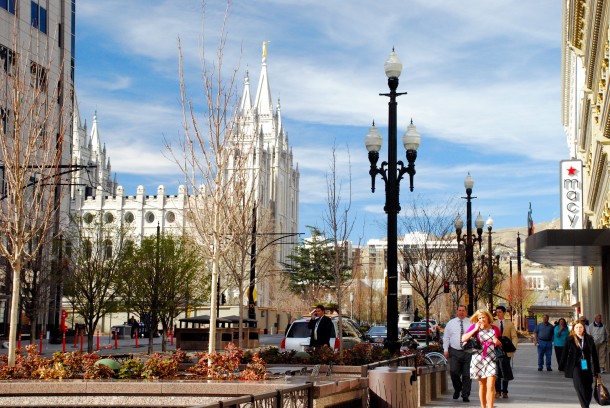
Temple Square
Judging Toffee for Taste TV & The Chocolate Salon
Part of the fun of being a food writer is being asked to judge food products and dishes for organizations and restaurants. Not long ago, Taste TV & The Chocolate Salon, a sort of Indie version of the Food Network, invited me to judge toffee for their annual Taste Awards. Why not?
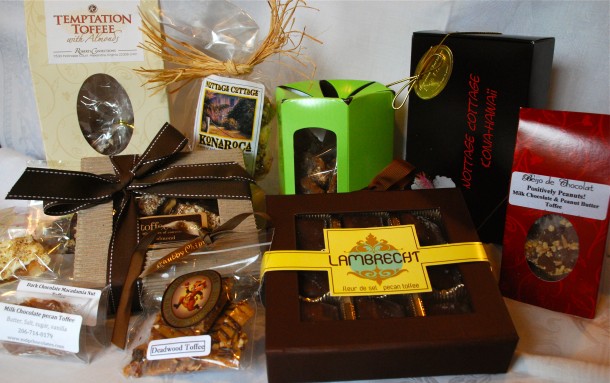 Thus, a few days ago a large box arrived containing nine English toffee samples from candy makers across the country, including Hawaii. Toffee, according to Carole Bloom in “The International Dictionary of Desserts, Pastries, and Confections,” is a brittle, crunchy candy made from butter, sugar, and water. The mixture cooks until it reaches the soft crack stage and then is poured into a shallow pan to cool before being cut into pieces. English toffee takes the candy one step further by coating it with dark chocolate and a thick sprinkling of chopped almonds.
I called my friend and fellow chocolate lover, Margaret, and asked her if she’d like to join me. It’s always helpful to have another opinion, plus a lot more fun! 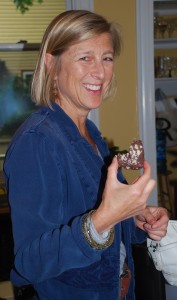
In addition to picking the top toffee, I was asked to choose the best packaging, best ingredient combinations, best taste, best texture, and most unique toffee. Sadly, many of the toffees were flawed. The nuts on several samples were rancid and many of the toffees were chewy, not snappy.
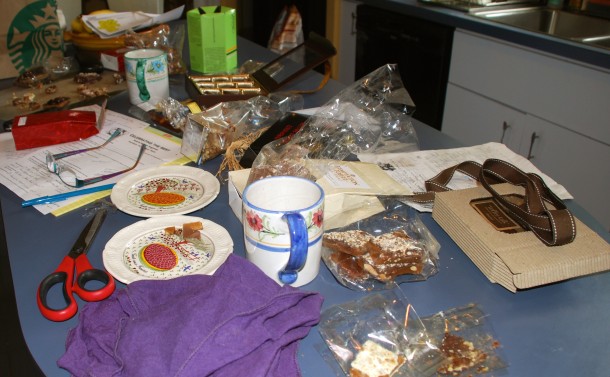 The winner was an easy pick: Toffee Talk based in San Francisco. The toffee had a hard crunch and buttery rich flavor. It arrived coated with high-quality dark chocolate and lots of roasted almonds. The candy maker even put roasted almonds in the toffee itself, which was a really nice touch! I’ll be curious to learn which toffee wins the Taste Awards, since I was not the only judge.
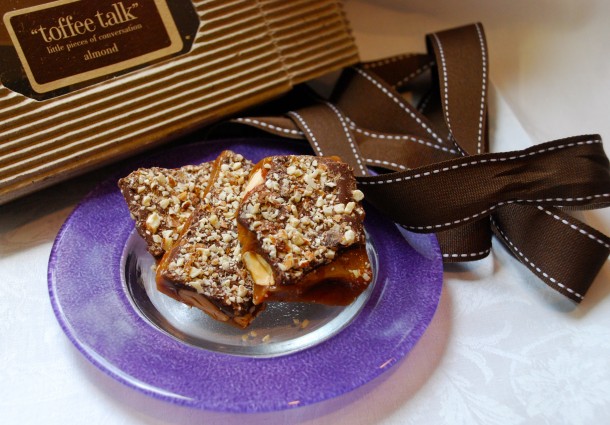 ENGLISH TOFFEE (Adapted from “The International Dictionary of Desserts, Pastries, and Confections” )
3 tablespoons vegetable oil
2 1/2 sticks unsalted butter, cut into small pieces
1 cup granulated white sugar
1/4 cup water
1/2 teaspoon coarse salt
2 1/2 cups skin-on almonds, finely chopped (I like to toast them first)
12 ounces bittersweet chocolate
1. Use the oil to generously coat the inside of a jelly-roll pan (baking sheet with sides) and the blade of a sharp knife.
2. Combine the butter, sugar, water, and salt in a 3-quart heavy-bottomed saucepan over low heat. Raise the temperature to medium and cook the mixture, stirring constantly, until it registers 260 degrees on a candy thermometer, about 10 minutes. Add 1/2 cup of the chopped almonds and cook until the candy thermometer reads 305 degrees.
3. Remove the saucepan from the heat and pour the toffee into the greased jelly-roll pan, spreading the mixture with the greased knife to form an even layer, about 1/4-inch thick. If you want even pieces of toffee, score the candy by making shallow cuts across and down the candy surface to create 60 pieces (10 cuts across the widest part of the rectangle and 6 cuts down the shortest part). Once the candy has cooled cut it into the designated 60 pieces. Alternatively, you can skip the scoring, let the candy cool, and simply crack it into bite-size pieces.
4. Melt the chocolate in the top of a double boiler over medium heat. Place the remaining almonds in a small, shallow bowl. Line a clean baking sheet with wax paper. Working with one piece of toffee at a time, dip it in the chocolate to coat it (I use chopsticks) and then transfer it to the bowl of almonds. Roll the toffee in the almonds to coat completely before transferring it to the wax paper lined baking sheet. Repeat this process until all the toffee is coated with chocolate and nuts. Store the toffee between layers of wax paper in a cookie tin in the refrigerator for up to one month (if it lasts that long!).
Recent Posts
Hello Fall September 3 Read MoreThe Peak of Alpine Luxury February 26 Read MoreFebruary 9 Read MoreImage Gallery
-

